

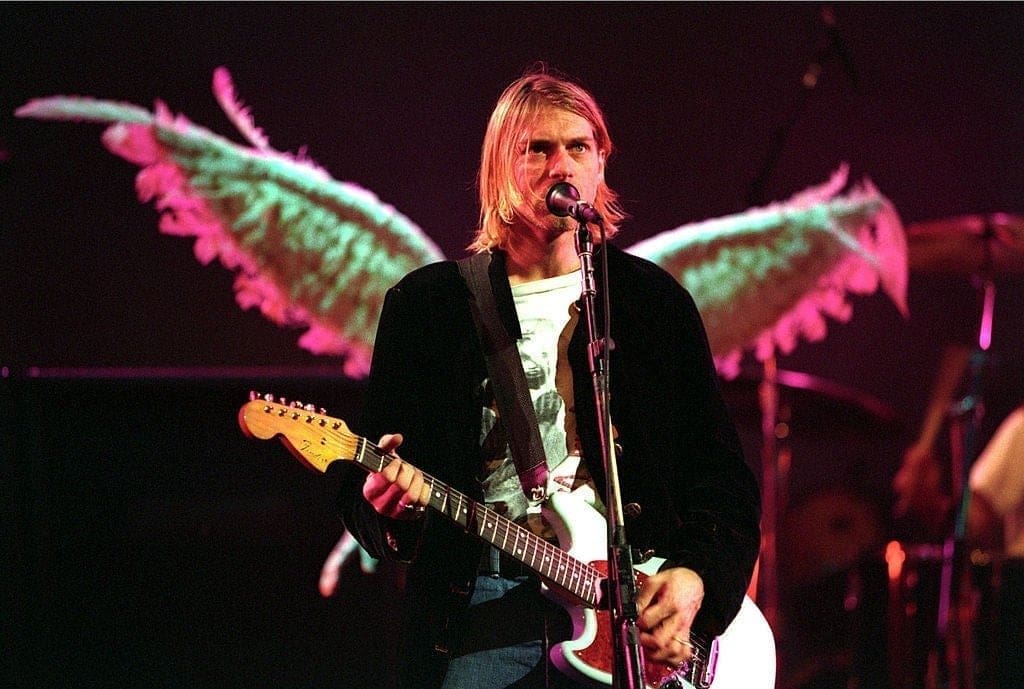
Musicians do more than just entertain; they create a legacy with songs that tell stories and reflect culture. Often, their work gains more significance after they pass away. Many artists, especially in rock, see their fame grow posthumously. This trend is fascinating and adds depth to our musical history. Streaming platforms help new fans discover these artists, leading to a surge in popularity that some never experienced while alive.
One notable phenomenon is the 27 Club, a term for rock stars who died at 27. This group includes legends like Jim Morrison, Jimi Hendrix, Janis Joplin, Brian Jones, Kurt Cobain, and Amy Winehouse. Their fame often skyrocketed after their deaths. For instance, after Kurt Cobain’s passing, his mother remarked about him joining this “stupid club,” highlighting the tragic nature of this coincidence. While many see it as just that, it raises questions about fame and the impact of posthumous success.
Several factors drive this surge in popularity after death. Intense media coverage creates shock and curiosity, while nostalgia and limited discographies add to the allure. For example, Michael Jackson’s album sales jumped 6,000% in the week after his unexpected death in 2009. Similarly, rapper Pop Smoke, who was killed in 2020, had two albums and a mixtape released posthumously, all of which topped the charts. Juice WRLD also saw a significant rise in popularity after his passing, showing how the music world continues to celebrate these artists long after they’re gone.


